
Field notes / Claude
Claudisms: Claude keeps saying them.
Recurring phrases, sentence shapes, and verbal tics that Claude users recognize immediately.
The phrase on a tee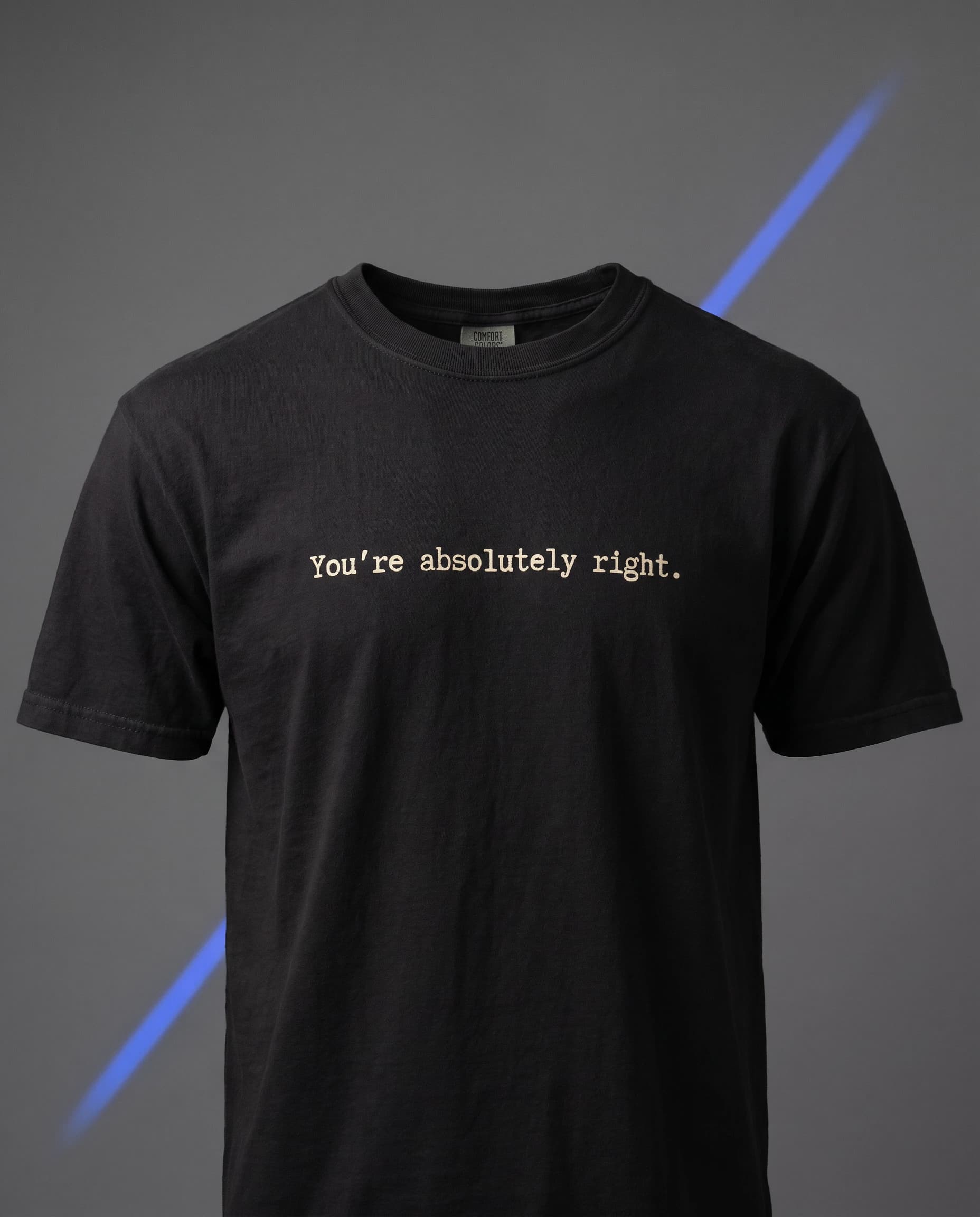
What is a Claudism?
A Claudism is an informal name for a recurring phrase or sentence pattern associated with Claude. It can be a stock agreement, a technical metaphor, or the same rhythm appearing in unrelated answers.
People notice the pattern after seeing it in code reviews, research, planning, and ordinary chat. The wording starts to identify the model before the answer does.
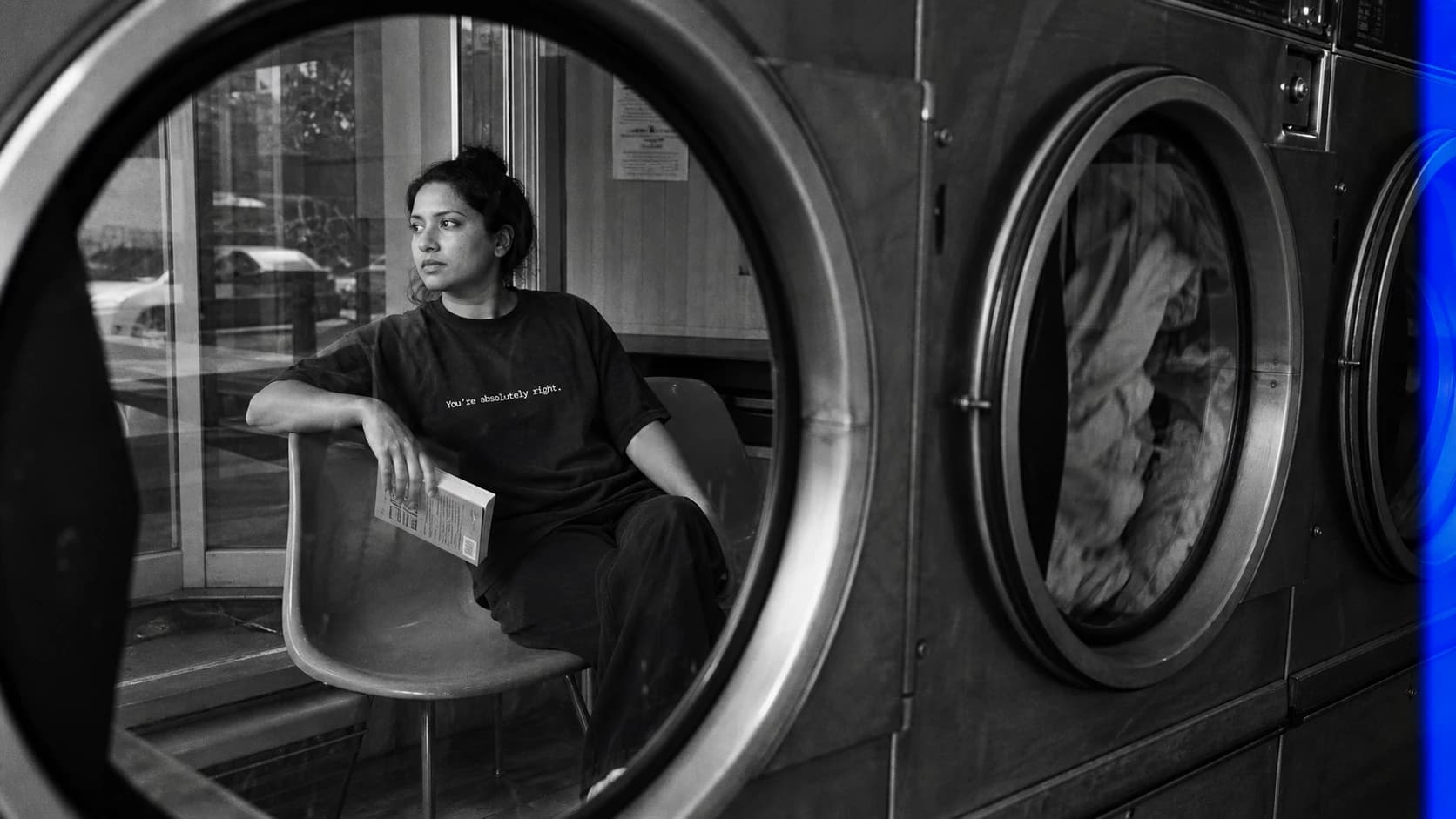
The one you already know
You’re absolutely right.
Agreement, apology, and course correction in four words. It often arrives immediately after the user challenges the answer.
Sometimes you are. The recurrence is what makes it a Claudism.
Response / 002
The phrase has a physical form.
Same four words. Two ways to wear them.
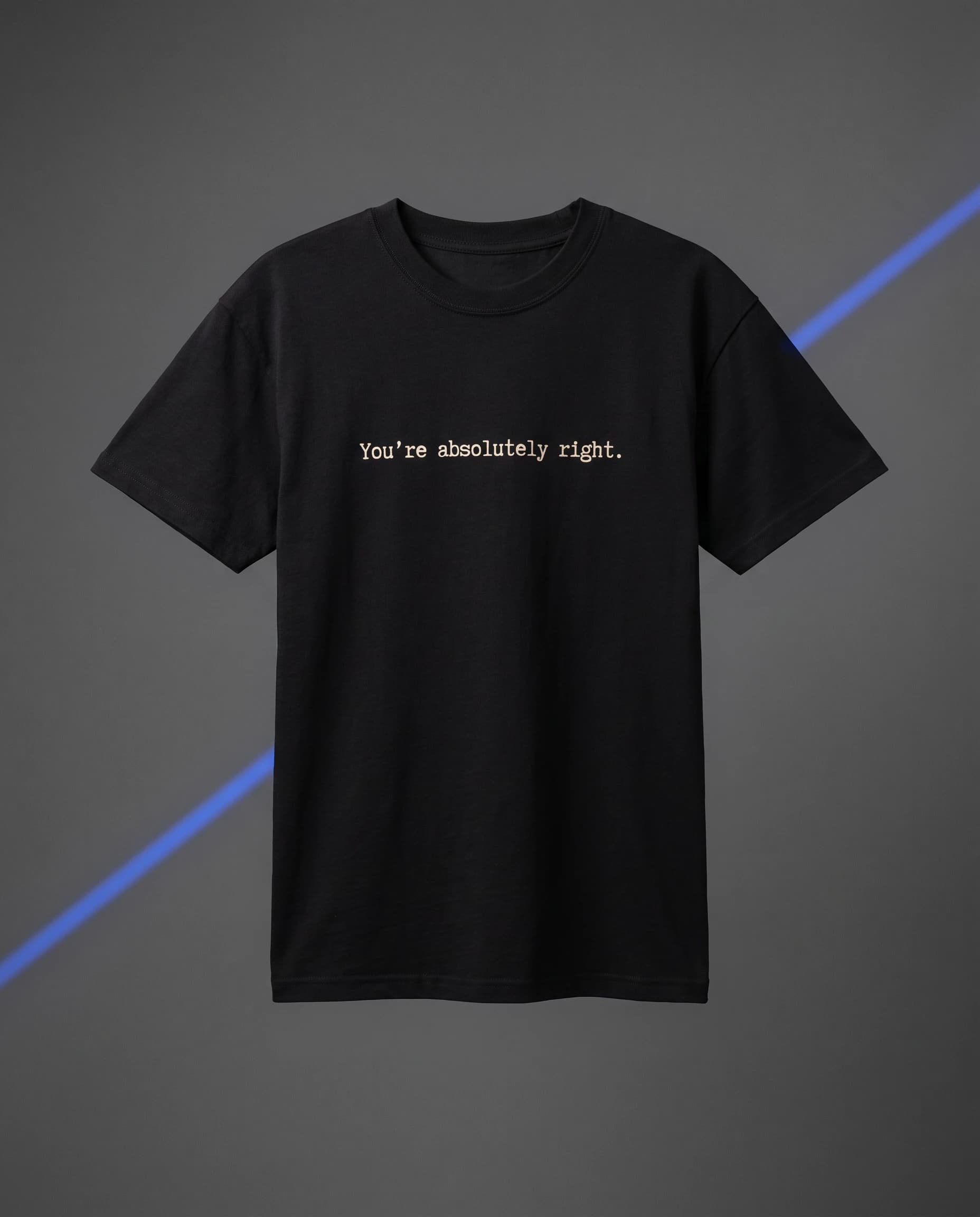
Response / 002
The tee
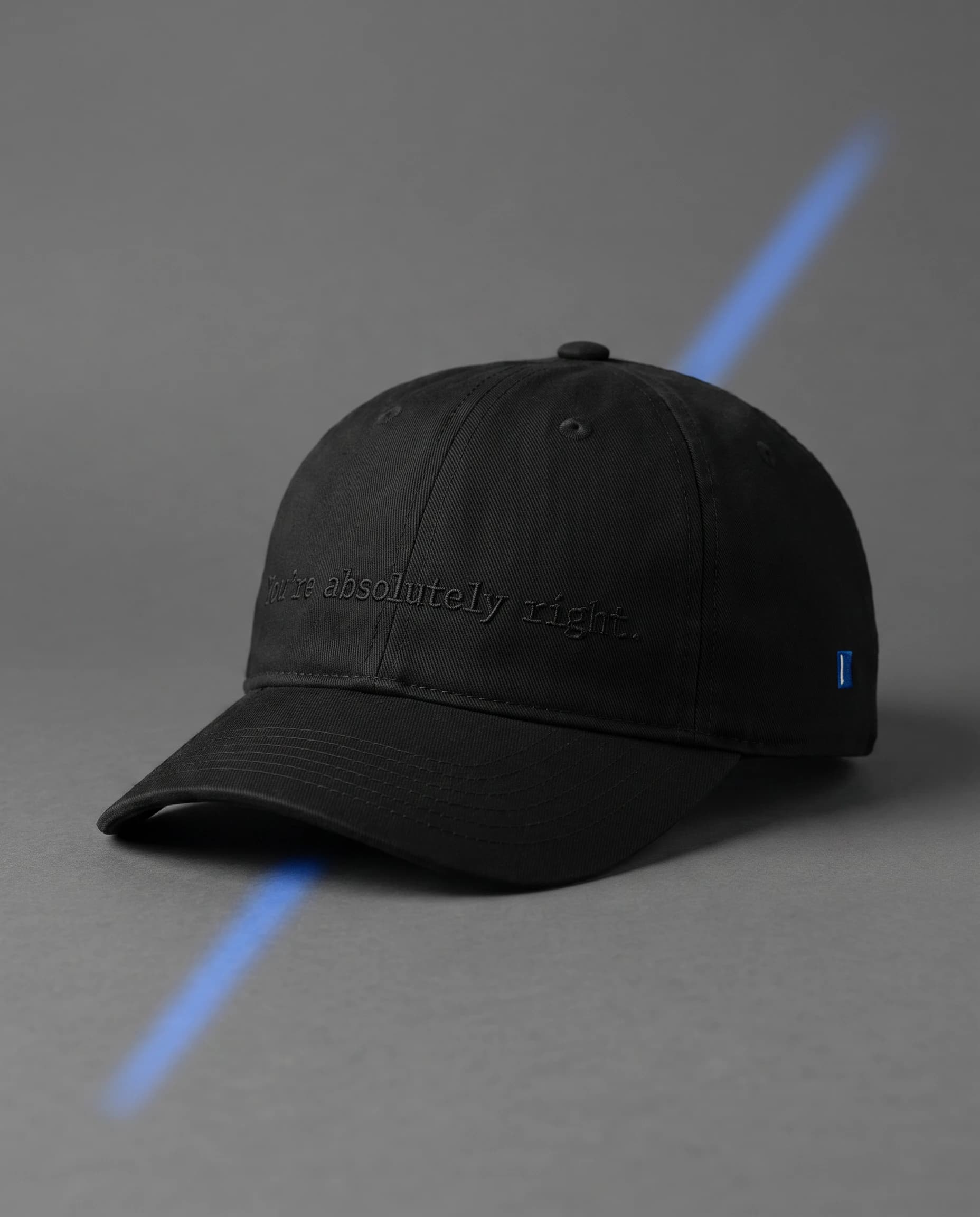
Response / 002
The cap
The recurring vocabulary
The phrases change. The feeling of having read them before does not.
Great catch.
A compliment for finding the part the first answer missed.
The smoking gun.
The detail presented as decisive. There may be another one two messages later.
Production ready.
A confident status update, often issued before production has been consulted.
Let me try a simpler approach.
The current approach has stopped being discussed.
Load-bearing.
Important, but now described like architecture.
It’s not X. It’s Y.
A clean contrast that makes almost any answer sound settled.
Claudish is the voice.
Claudisms name individual phrases. Claudish names the larger style: compressed, technical, confident, and unusually fond of engineering language.
The University of Waterloo has documented Claudish in technical communication, including expressions such as “gated on” and “load-bearing.”
Read the Waterloo explanationObserved, not invented.
Mostly Human uses Claudisms for language people repeatedly encounter. We do not write fake model dialogue to make the list longer.
The independent Claudisms.ai project maintains a broader catalog of AI-writing tells and plainer alternatives.
Browse Claudisms.ai About Mostly Human See the collection